
HYPERHIDROSIS – Excessive Sweating

Your questions, our answers.
Everything you need to know about
the condition.
WHAT IS IT?
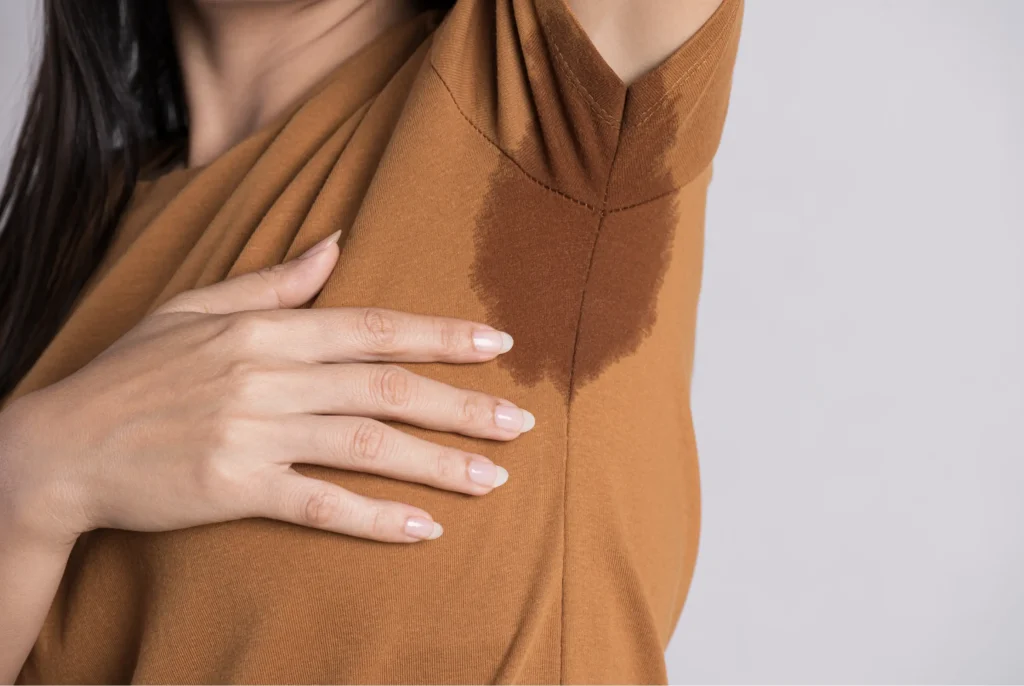
Hyperhidrosis is a condition characterized by excessive and uncontrollable sweating that goes beyond the body’s normal need for temperature regulation. It can affect various parts of the body, most commonly the underarms, palms, soles of the feet, and face. This condition can have a major impact on quality of life, affecting daily activities, social interactions, and self-esteem.
CAUSES OF HYPERHIDROSIS
Primary hyperhidrosis
Primary (or idiopathic) hyperhidrosis has no underlying medical cause. It is usually genetic and results from overactive sweat glands. This type typically occurs locally (especially in the underarms, palms, and soles) and often without any obvious reason.
Secondary hyperhidrosis
Secondary hyperhidrosis is caused by underlying factors such as:
- Hormonal disorders: Conditions such as hyperthyroidism, menopause, or pregnancy-related changes.
- Medications: Some antidepressants, painkillers, or blood pressure medications can cause excessive sweating as a side effect.
- Infections: Chronic infections or prolonged fevers.
- Neurological disorders: Conditions such as Parkinson’s disease.
- Metabolic issues: Diabetes, obesity, or heart conditions.
Environmental and emotional factors
- Stress and anxiety: Strong emotions may trigger sweating, especially on the palms, soles, and face.
- High temperatures: Hot or humid environments can lead to excessive sweating, though this is not classified as hyperhidrosis.
HOW TO PREVENT HYPERHIDROSIS?
Maintain good hygiene
Frequent washing with antibacterial soaps and using strong deodorants can help minimize the effects.
Wear appropriate clothing
Opt for breathable fabrics like cotton or moisture-wicking materials. Avoid tight clothing that traps heat and sweat.
Avoid known triggers
Limit spicy foods, caffeine, and stress when possible.
Manage stress and anxiety
Relaxation techniques such as meditation, yoga, or deep breathing exercises can help reduce stress-related sweating.
Maintain a healthy weight
A balanced diet and regular exercise may help lower overall perspiration.
HOW TO TREAT HYPERHIDROSIS?
Strong antiperspirants
Aluminum chloride-based antiperspirants are considered first-line treatments. They work by temporarily blocking the sweat glands. Available over-the-counter or by prescription.
Botulinum toxin (Botox) injections
An effective option for hyperhidrosis. Botox blocks the nerve signals that activate the sweat glands, significantly reducing sweating for several months. It is commonly used for underarms, hands, and feet.
WHEN TO SEE A DOCTOR?
Consult a doctor if excessive sweating:
- Affects your quality of life or daily activities.
- Does not improve with over-the-counter treatments or lifestyle changes.
A physician can provide a clear diagnosis and recommend the most appropriate treatment based on the underlying cause.