
HAIR LOSS

Your questions, our answers.
Everything you need to know about
treatment.
WHAT IS IT?
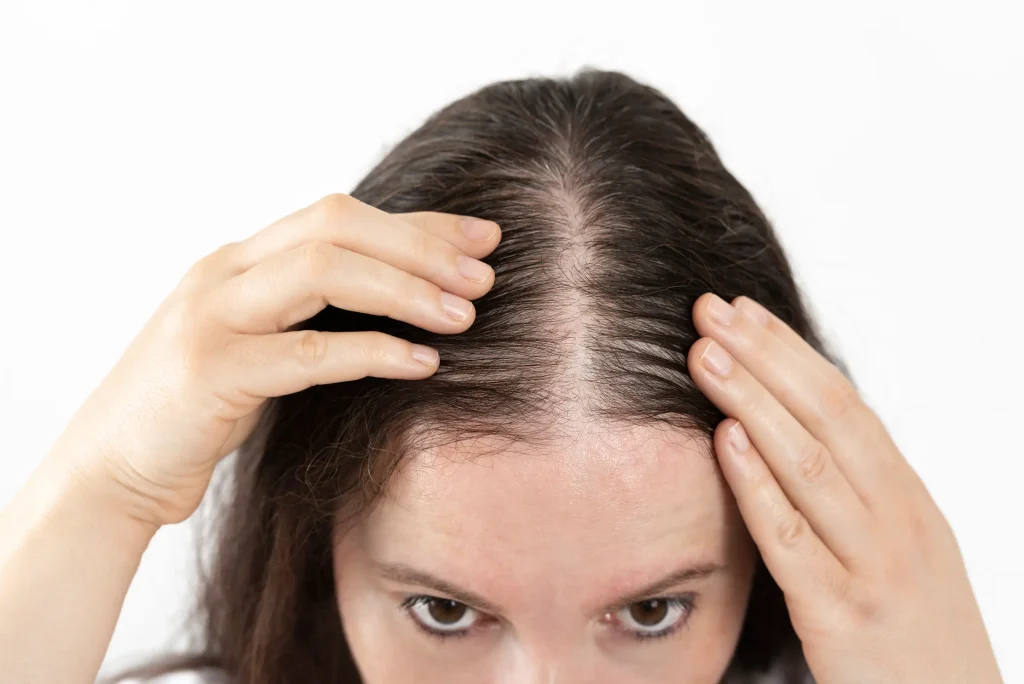
Hair loss, also known as alopecia, is a common condition that affects both men and women. It can appear as gradual thinning of the hair, sudden shedding, or partial to complete baldness. While often associated with natural aging, hair loss can also result from internal, environmental, and medical factors.
CAUSES OF HAIR LOSS
- Androgenetic Alopecia (Male/Female Pattern Baldness)
The most common cause of hair loss, androgenetic alopecia, affects both men and women. It is linked to genetic and hormonal factors, particularly the effect of androgens (male hormones) on hair follicles, leading to their gradual miniaturization and eventual hair loss. - Hormonal Changes
- Pregnancy: Hormonal fluctuations can cause temporary hair loss, usually resolving after childbirth.
- Menopause: Declining estrogen levels can lead to thinning hair in women.
- Thyroid Disorders: Both hypothyroidism and hyperthyroidism can contribute to hair loss.
- Stress and Emotional Trauma
High stress, emotional trauma, or significant life events can trigger temporary hair loss. This type of loss is often reversible once stress levels decrease. - Nutritional Deficiencies
Lack of iron, vitamin D, B vitamins, or protein can cause hair shedding. An unbalanced diet can weaken hair and lead to thinning. - Medications and Medical Treatments
Certain medications, including anticoagulants, chemotherapy, and antihypertensives, can cause hair loss as a side effect. - Underlying Medical Conditions
- Autoimmune Diseases: Conditions like alopecia areata, where the immune system attacks hair follicles, cause localized hair loss.
- Scalp Infections: Fungal or bacterial infections can damage follicles and trigger hair loss.
- Excessive Traction
Tight hairstyles such as braids, ponytails, or extensions can cause permanent or temporary hair loss known as traction alopecia.
HOW TO PREVENT HAIR LOSS?
Adopt a Balanced Diet
Eat foods rich in vitamins and minerals such as iron, vitamin D, zinc, and protein to support healthy hair growth and strengthen follicles.
Manage Stress
Practice stress-management techniques like meditation, yoga, exercise, or breathing exercises. A healthy lifestyle with sufficient rest and sleep also supports hair health.
Protect Hair from Damage
Avoid tight hairstyles, harsh products, and excessive heat styling. Protect hair from sun, wind, and pollution by wearing a hat or using protective hair products.
Maintain Scalp Hygiene
Wash hair regularly with gentle shampoos suited to your hair type. Keep the scalp clean and free of excess oil or product buildup that can clog follicles.
Avoid Aggressive Treatments
Limit chemical treatments such as bleaching or perms that weaken hair. If used, follow up with nourishing and repairing care.
HOW TO TREAT HAIR LOSS?
- Topical Medications
- Minoxidil: An over-the-counter treatment applied to the scalp to stimulate hair growth and slow shedding. Effective for both men and women with pattern baldness.
- Finasteride: An oral medication mainly prescribed for men, blocking the action of DHT (dihydrotestosterone), the hormone responsible for hair loss.
- Hair Transplant
A surgical option where hair follicles are taken from a dense area of the scalp and transplanted into thinning areas. Often used for advanced baldness. - Radiofrequency (RF) SylfirmX
Sylfirm X, a dual-wave RF microneedling device, creates controlled micro-injuries in the scalp. This stimulates the body’s natural healing response, promoting follicle regeneration and strengthening existing hair. - Platelet-Rich Plasma (PRP)
PRP therapy involves injecting a concentration of the patient’s own platelets into the scalp to stimulate follicle regeneration and encourage hair growth. This increasingly popular treatment is used for both men and women experiencing hair loss.